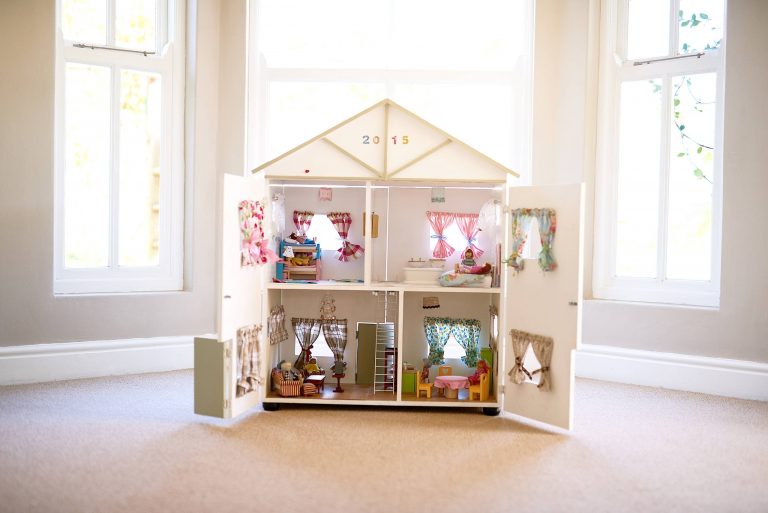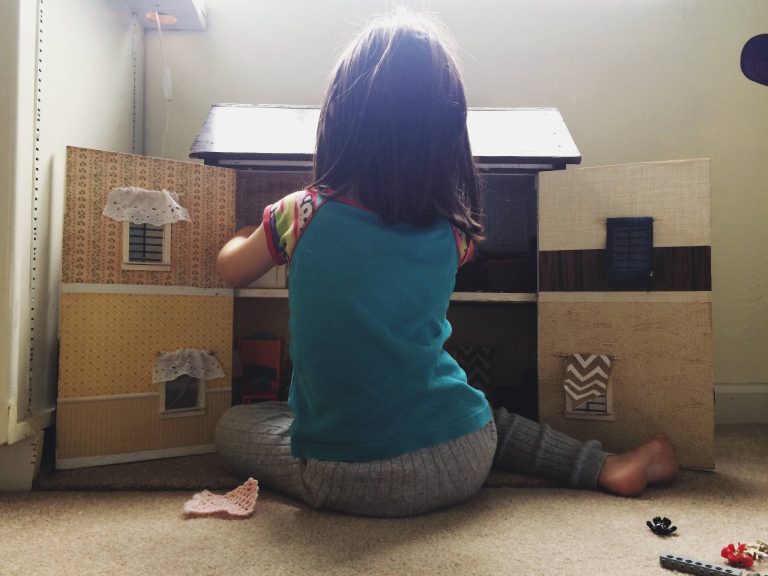
A miniaturist needs to observe how real-life space operates. For instance, how lighting works, how proportions are perceived by the human eye, and so on. When the space is replicated at a smaller scale, the creative mind learns to filter what is important and what is not. This, in turn, refines one’s ability to judge what is good and what is bad.
Intention: While it is possible to mess around at full scale and create space randomly, you can’t really do that with miniatures. You will never have a clear idea of what you are doing and even if you did, it’s very easy to miscalculate. There’s a lot of thought and intentionality involved in miniature-making. This discipline helps you think before you act rather than vice versa. This too refines your ability to judge between good and bad work.
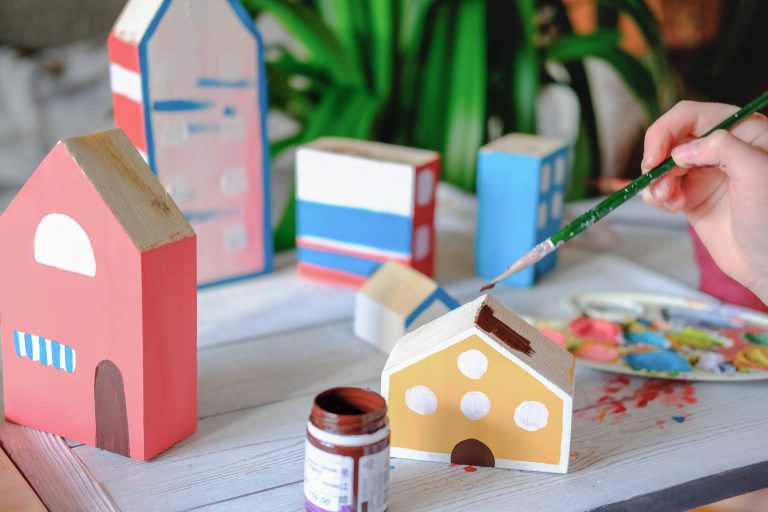
Materiality: If you are interested in understanding the limitations and possibilities of materials, miniatures are a great way to experiment. The behavior of materials like wood, paper, fabric, and mixed media are different at a smaller scale. It’s one thing to understand this theoretically and another thing to understand it through actual practice.
Patience: Miniatures take a lot of time and patience. You have to get used to the slow pace at which things happen and learn to appreciate the small wins that ultimately give you the desired output. This too helps you differentiate between what is good and what is bad.
At the end of the day, your ability to judge your own work will refine your skills as a miniaturist and as a designer.