Of course, the obvious benefit of creating miniatures is that they are small. This lack of physical real estate demands that you are intentional about what you create. Every element has to have a purpose and a place. You cannot afford to let things get sloppy or out of control. You have to edit and refine and make sure that every piece works together as a cohesive unit. This was huge for me. In the past, I had a tendency to over accessorize. I would get carried away with a project and throw everything I had at it. I wanted it to be BIG. I wanted it to be BOLD. I wanted it to be LOUD. I wanted it to be noticed. But creating miniatures taught me the beauty of restraint. It taught me that sometimes, less really is more. It taught me that you don’t have to use every color in the box or every tool in your kit. You just need to use what works.
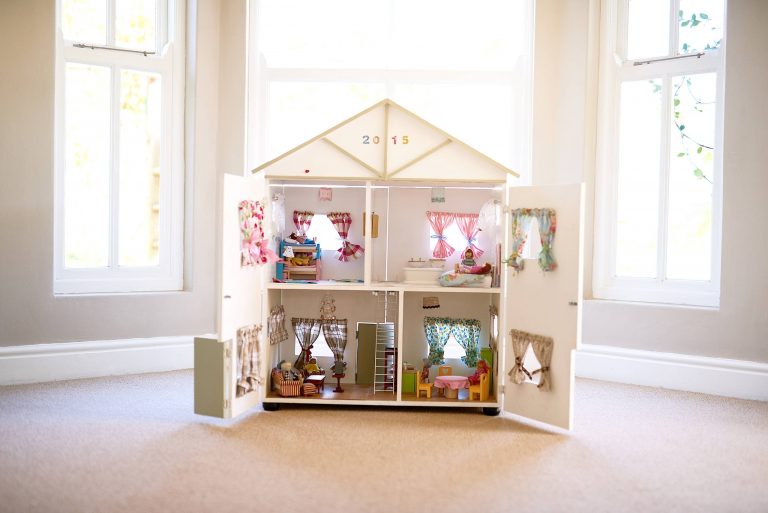
One of the things that I love about creating miniatures is the repetition. If you are building a dollhouse, for example, you may need to create ten or twelve of the same chair. This is a daunting task for a lot of people. It seems boring or menial. But the truth is, it’s one of the best ways to learn. When you create the same object over and over and over again, you begin to perfect your technique. You begin to work more efficiently. You begin to develop a muscle memory that helps the process go faster and smoother. When you make the same object multiple times, you get better with each iteration. And you can see the improvement. You can feel like you are accomplishing something. In a world where we are often left without a sense of accomplishment or completion, creating miniatures provides that feeling. It provides a sense of doing.
Another benefit of working small is that the mistakes aren’t so catastrophic. If you make a mistake on a miniature, it’s generally not the end of the world. In fact, most of the time it’s not even that big of a deal. You can fix it. You can cover it. You can work around it. Because of the scale, it’s just not that important. And I think that’s a good thing. So much of art making is about experimentation and exploration. It’s about trying new things and taking risks. And it’s about embracing our mistakes and using them as a teaching tool. When we work small, we are more likely to do that. We are more likely to try something new or unusual. We are more likely to push past our boundaries and see what happens. Because if it doesn’t work, it’s okay. We can always fix it. We can always try again.
Finally, working small demands a kind of meditative state. You have to slow down and focus. You have to concentrate and attend. You can’t rush through the process or let your mind wander. At least, not if you want to be successful. There is something very soothing about working small. It is meditative and calming. It helps you to relax and unwind. And it helps you to focus. When you work small, you have to be present in the moment. You can’t let yourself get ahead or fall behind. You can’t let yourself get distracted. And in a world that is increasingly fast paced and frenetic, this is a blessing. This is a much needed respite. This is a chance to slow down and breathe.